
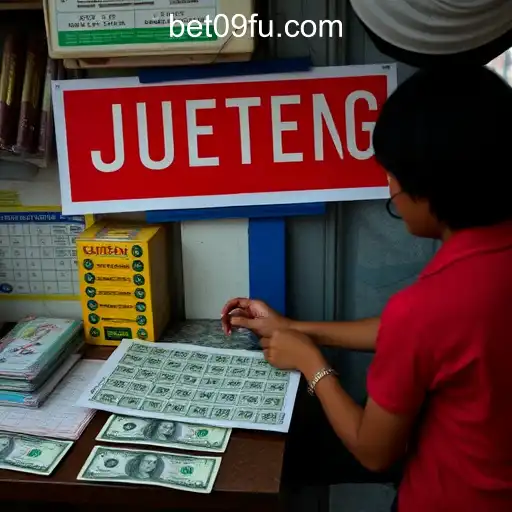

Jueteng: An In-depth Exploration
Jueteng is an illegal numbers game deeply rooted in Filipino culture. Despite numerous government crackdowns, it remains prevalent in various Philippine communities. This clandestine lottery has not only persisted but thrived over the years, permeating the societal fabric through its economic implications and cultural significance. By understanding Jueteng, one can learn more about both the communal ties it fosters and the complex challenge it presents to Philippine authorities.
The Mechanics of Jueteng
Jueteng operates much like a classic numbers game, wherein participants choose a pair of numbers typically ranging from 1 to 37. A bettor places a wager on these numbers, and if the numbers match those drawn, the bettor wins a cash prize. The simplicity of the game, combined with the excitement of potential winnings, maintains its allure across different demographics.
Interestingly, the game’s illicit nature requires a decentralized operation, with a network consisting of cobradores (bet collectors), kabo (coordinators), and the jueteng lord at its helm. Numerous layers of involvement facilitate its operation, thus complicating efforts by law enforcement to dismantle these networks.
The Cultural Significance of Jueteng
Jueteng extends beyond mere gambling; it’s embedded in the cultural and social life of many Filipinos. For numerous communities, it serves as a daily activity and social equalizer, engaging both rural and urban populations. The game develops community bonds, as shared participation fosters a sense of communal identity. For many Filipinos, placing a small bet is akin to participating in a time-honored tradition, one that balances aspiration against reality.
The Socioeconomic Impact
In economically disadvantaged areas, Jueteng often fills a financial void. It provides employment, albeit illegally, to thousands of individuals who would otherwise face job scarcity. The role of a cobrador, for instance, is often one of the few opportunities for sustained income in certain locales. The money changing hands creates a micro-economy benefitting those directly involved and, occasionally, local businesses indirectly.
Jueteng and Government Response
The persistent existence of Jueteng poses a conundrum for Philippine law enforcement and policymakers. Despite being illegal, its eradication has proven difficult due to its deep-rooted integration into society and the economic lifeline it provides to some communities. Over the years, numerous tactics have been employed, ranging from police raids to legislative measures aimed at increasing legal Lotto options, but these have met with limited success.
Authorities often face formidable challenges due to the influence of high-level protection allegedly provided by political patrons and local officials. This protection hampers efforts to enforce legal prohibitions and complicates corruption entanglements involving influential figures within the establishment.
The Ethical Dimensions
Jueteng also raises ethical questions that probe the intersection of legality, livelihood, and cultural practice. Critics argue that it exploits the poor by offering false hopes of wealth and encourages corruption. However, to dismiss it solely as a public nuisance disregards its societal roles, perpetuating a black-and-white narrative that fails to address the nuances involved.
For policymakers, framing Jueteng merely as an illegal activity to be eradicated overlooks the need for alternative socioeconomic strategies that could replace Jueteng’s role in society. Focusing solely on its abolishment disregards the voices of those financially reliant on this underground economy.
Bet09.com Oficial Slots Brasil #1: A Parallel in Gambling Trends
While Jueteng remains a localized phenomenon, the growth of online gambling platforms like Bet09.com Oficial Slots Brasil #1 highlights a shift in gambling trends globally. These platforms have transcended traditional lotteries through digital integration, offering users accessibility beyond geographical constraints.
As with Jueteng, online platforms face regulatory scrutiny and ethical considerations, as they must balance entertainment with responsibility. The digital age facilitates increased participation, akin to the widespread appeal of Jueteng in Filipino communities, though on a global scale. Understanding one helps in contextualizing the broader evolution and impact of gambling worldwide.
Conclusion
The existence and endurance of Jueteng in the Philippines reveal essential truths about society, economy, and culture. A comprehensive approach—involving cultural understanding, economic alternatives, and ethical considerations—is necessary for addressing its complexities. Many Filipinos participate in Jueteng not out of defiance of law but out of necessity and tradition. Similarly, the rise of platforms like Bet09.com reflects an ongoing societal engagement with gambling that transcends borders and national laws. Addressing issues like these requires innovation, cultural insight, and systemic reform.